
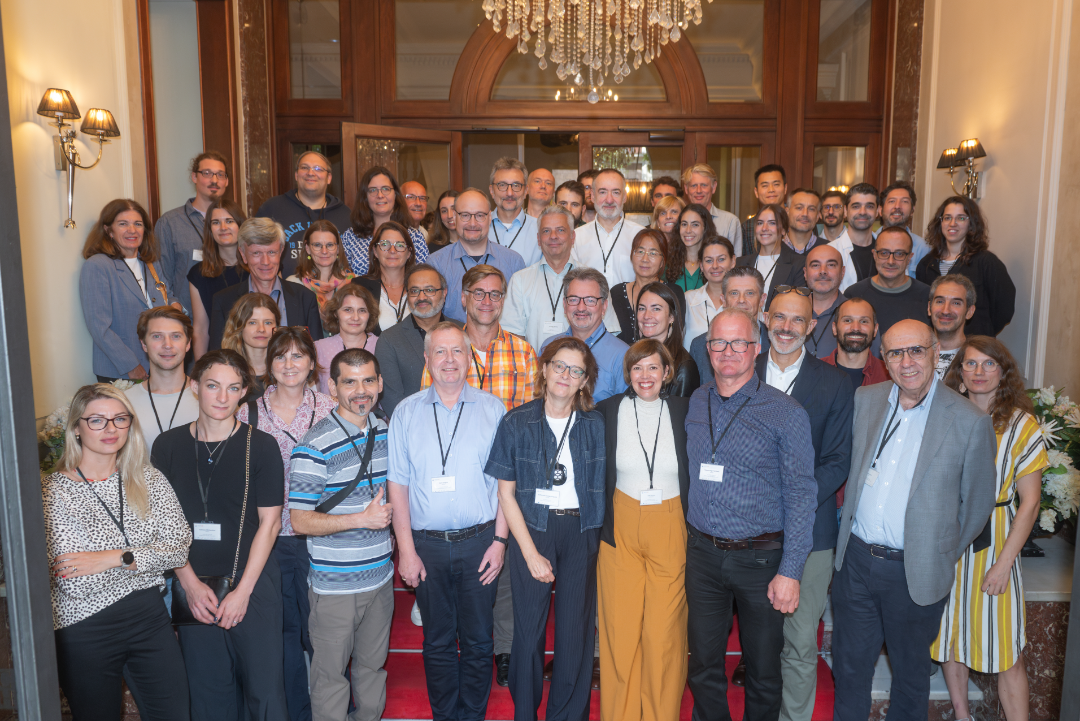
Four days of data, discussions and collaboration: VICT3R meets in Barcelona for 2nd Datathon and 5th Consortium Meeting
October 16th, 2026From 5–8 October 2026, VICT3R partners gathered in Barcelona for the project’s 2nd Datathon and 5th Consortium Meeting & General Assembly. Four busy days of hands-on work, scientific updates and discussions about the next steps towards making Virtual Control Groups (VCGs) a practical reality in toxicology research. Barcelona didn’t make things particularly easy this time – with heavy rain, came cancelled flights and a few

VICT3R and Virtual Control Groups Recognised in the European Commission Roadmap Towards Phasing Out Animal Testing
June 18th, 2026The beginning of the summer has brought some encouraging news for everyone working to reduce animal use in safety assessment. After a series of preparatory workshops over the last 3 years, the European Commission published its Roadmap towards Phasing Out Animal Testing for Chemical Safety Assessments on 1 June 2026, outlining a long-term vision for the future of safety assessment in Europe. On the same
ECHA Science Seminar Showcases VICT3R and the Use of Virtual Control Groups in Practice
June 10th, 2026On 26 May 2026, VICT3R was featured in the European Chemicals Agency (ECHA) Science seminar: Virtual control groups in pre-clinical toxicity studies. During the session, Thomas Steger-Hartmann (Bayer) and Claus Stie Kallesøe (grit42) presented the latest developments from the VICT3R project, including a practical demonstration of how Virtual Control Groups (VCGs) can be applied in preclinical toxicity studies using the VICT3R database. The recording of
EMA Qualification Opinion on VICT3R Context of Use I Open for Public Consultation
March 31st, 2026The VICT3R project has reached an important milestone in the qualification of the Virtual Control Group (VCG) concept. The European Medicines Agency (EMA) has issued a Qualification Opinion on VICT3R Context of Use I, which focuses on the application of VCGs in dose-range finding (DRF) non-GLP repeated dose toxicity rat studies. The Qualification Opinion, adopted by the EMA Committee for Medicinal Products for Human Use
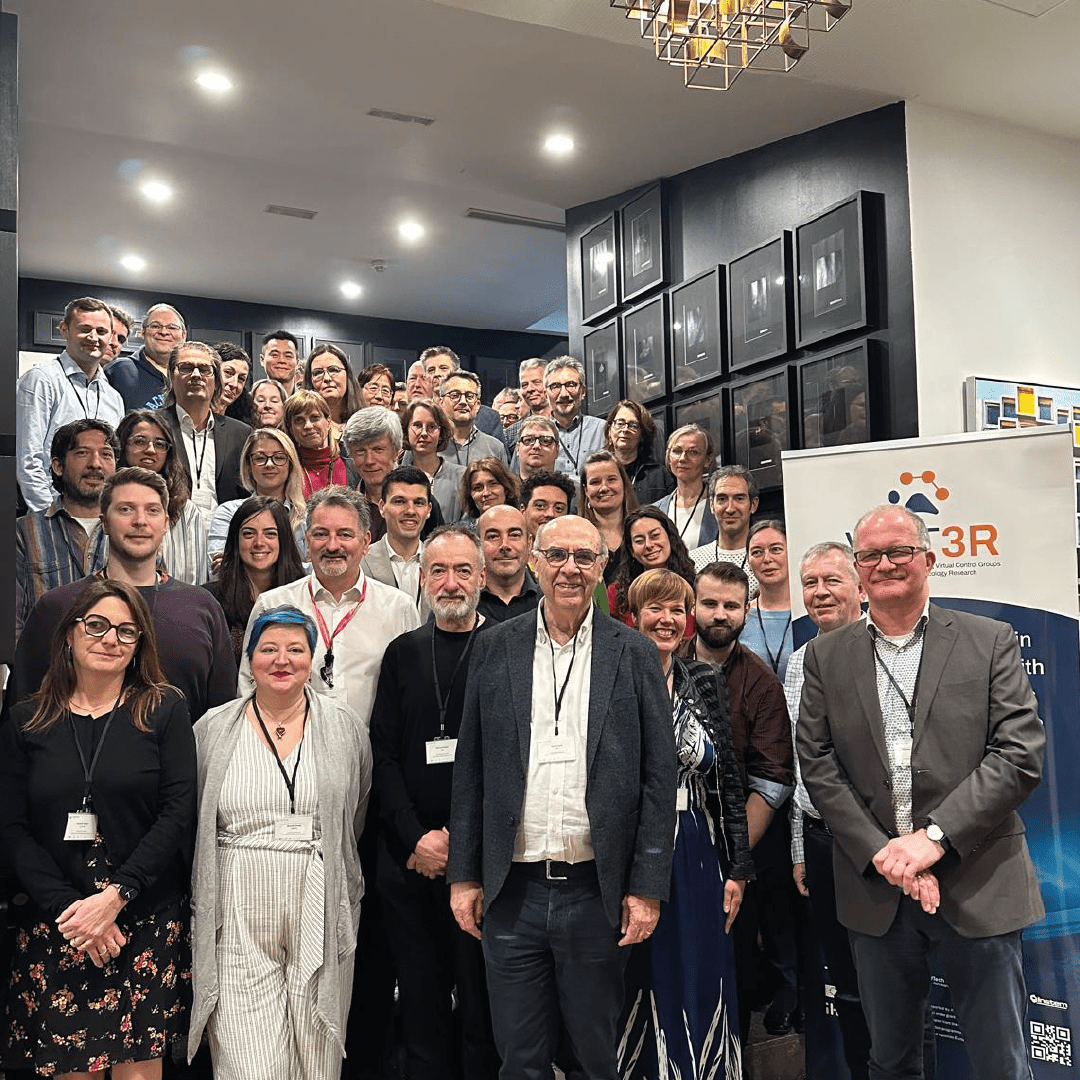
Collaboration at the heart of VICT3R: highlights from the 4th Consortium Meeting
March 6th, 2026Collaboration lies at the heart of the VICT3R project. Bringing together data scientists, software and computer system validation experts, industry partners, and regulators is essential to tackle the complex challenge the project addresses: developing Virtual Control Groups (VCGs) that could one day replace concurrent control groups in animal studies. On 26–27 February 2026, the VICT3R consortium met in Barcelona for its 4th Consortium Meeting and
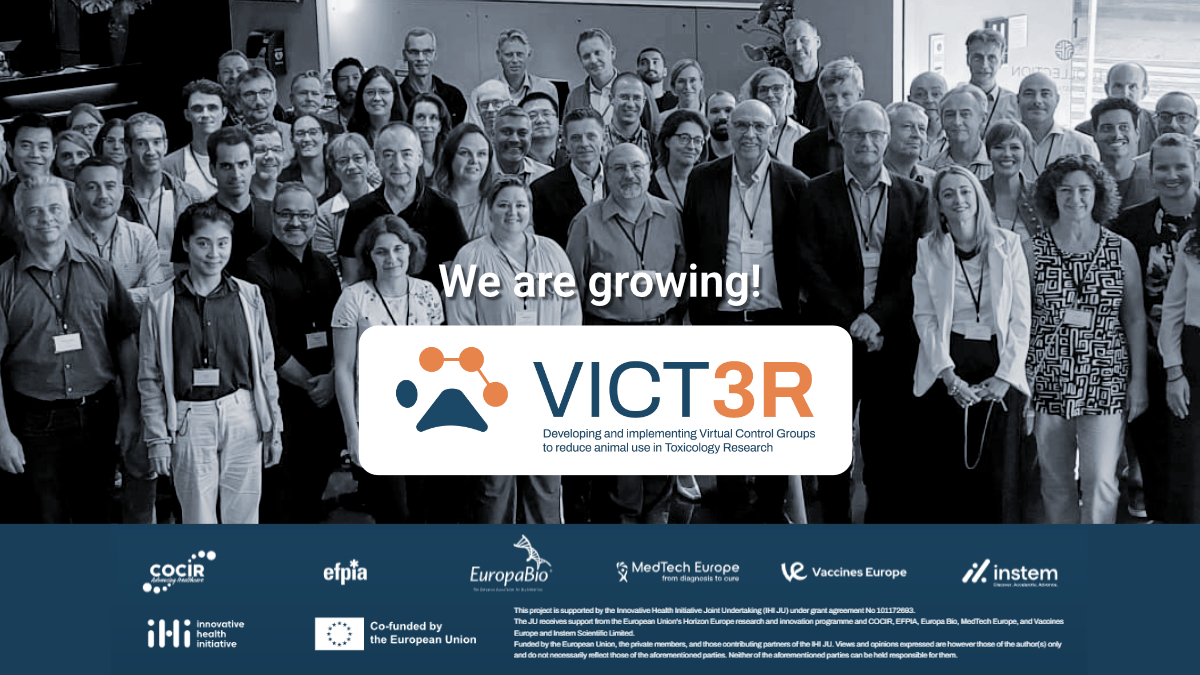
More Minds, More Impact − New Members Join the VICT3R Community
October 16th, 2025We are proud to announce the expansion of the VICT3R consortium with the addition of new beneficiaries joining the project and organisations joining the VICT3R Associated Contract Research Organisation (CRO) Network. This growing network of organisations strengthens our mission to transform the way safety is evaluated in drug and chemical development by reducing reliance on laboratory animals. The newly joined beneficiaries include first-line industry partners
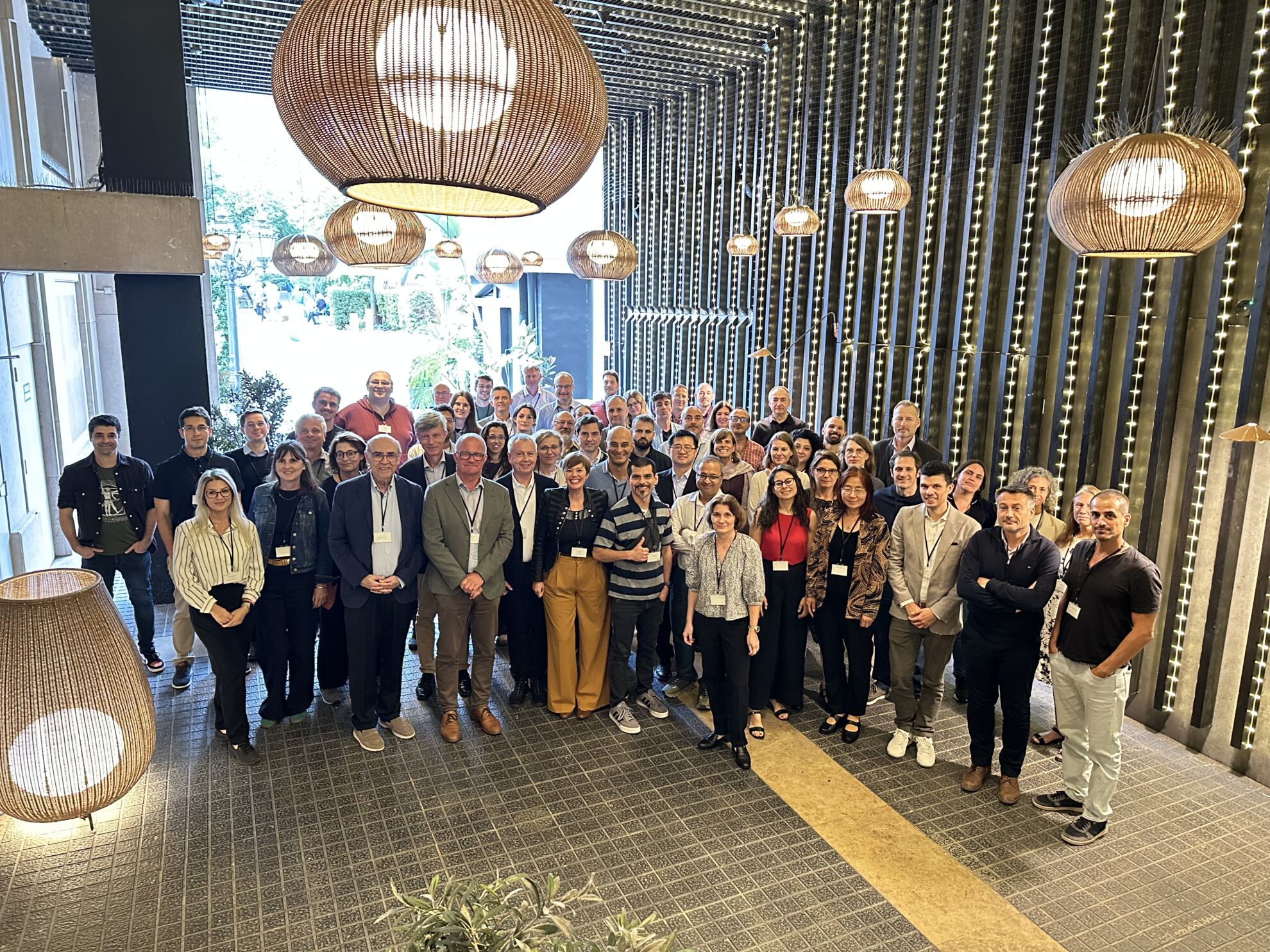
VICT3R Holds 3rd Consortium Meeting in Barcelona
October 7th, 2025The VICT3R consortium met in Barcelona on 29–30 September 2025 for its 3rd Consortium Meeting and General Assembly, marking the successful close of the project’s first year. With 67 participants attending in-person and another 60 joining online, the event brought together nearly 130 partners and collaborators from academia, industry, small and medium-sized enterprises, and members of the project’s Scientific and Regulatory Advisory Board to reflect

VICT3R: Virtually Speaking Webinar Series – Conversations Driving Change in Safety Science
August 25th, 2025VICT3R launched the first edition of its Virtually Speaking webinar series in early 2025, bringing together experts to discuss key topics relevant to VICT3R, shaping the future of toxicology and safety science. The series, which ran from January to July, combined open webinars for the broader community with closed sessions for the consortium, where we explored how to apply the concepts directly to project work.


Follow us


This project is supported by the Innovative Health Initiative Joint Undertaking (IHI JU) under grant agreement No 101172693.
The JU receives support from the European Union’s Horizon Europe research and innovation programme and COCIR, EFPIA, Europa Bío, MedTech Europe, and Vaccines Europe and Instem Scientific Limited.
Funded by the European Union, the private members, and those contributing partners of the IHI JU. Views and opinions expressed are however those of the author(s) only and do not necessarily reflect those of the aforementioned parties. Neither of the aforementioned parties can be held responsible for them.
© 2026 | VICT3R – Developing and implementing Virtual Control Groups to reduce animal use in Toxicology Research