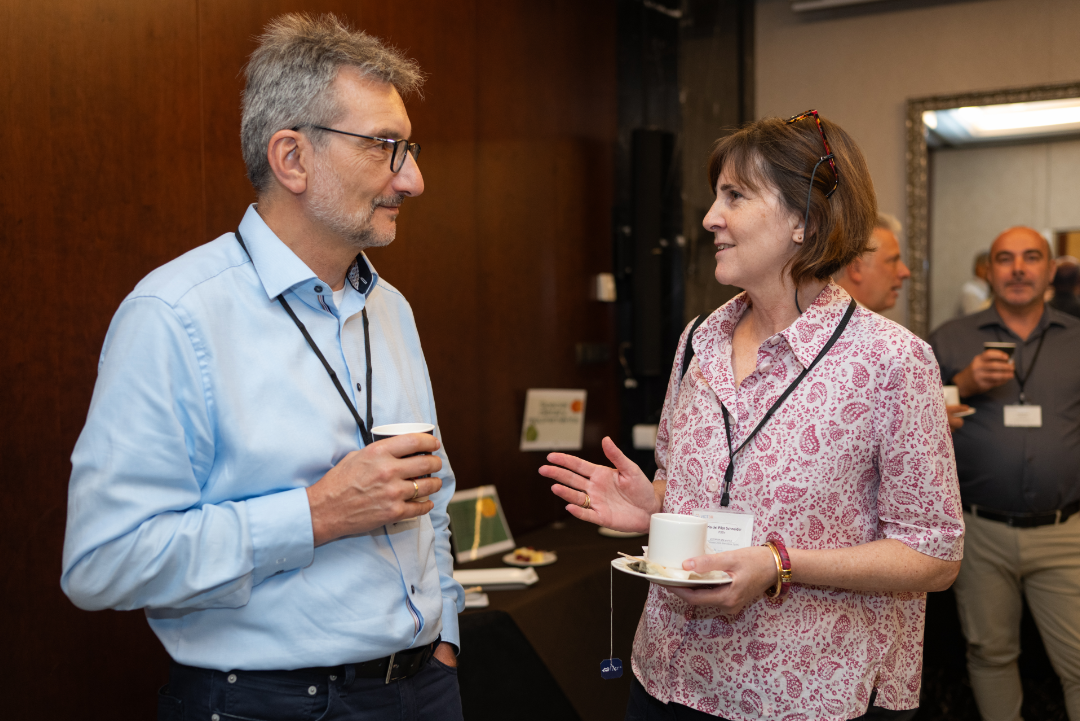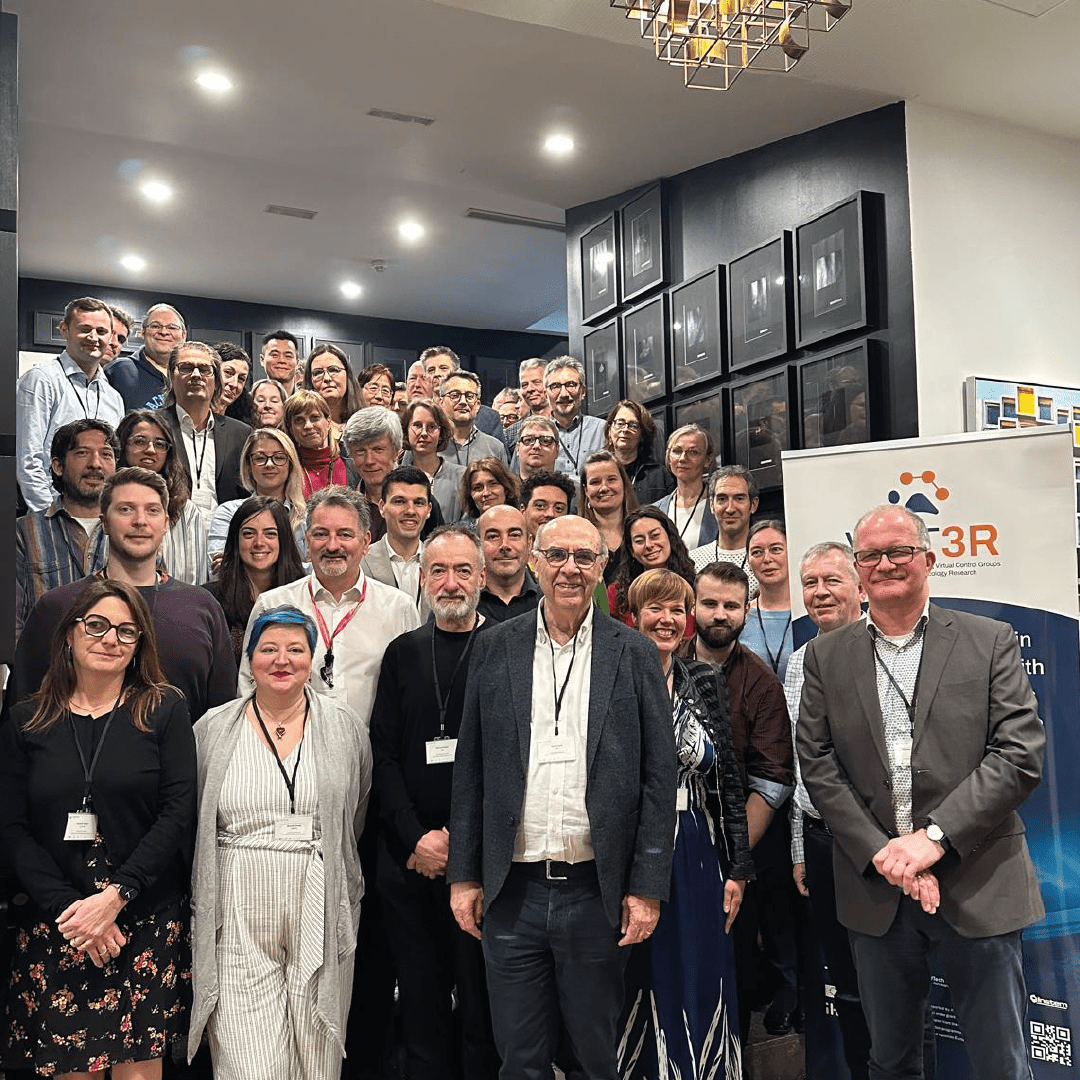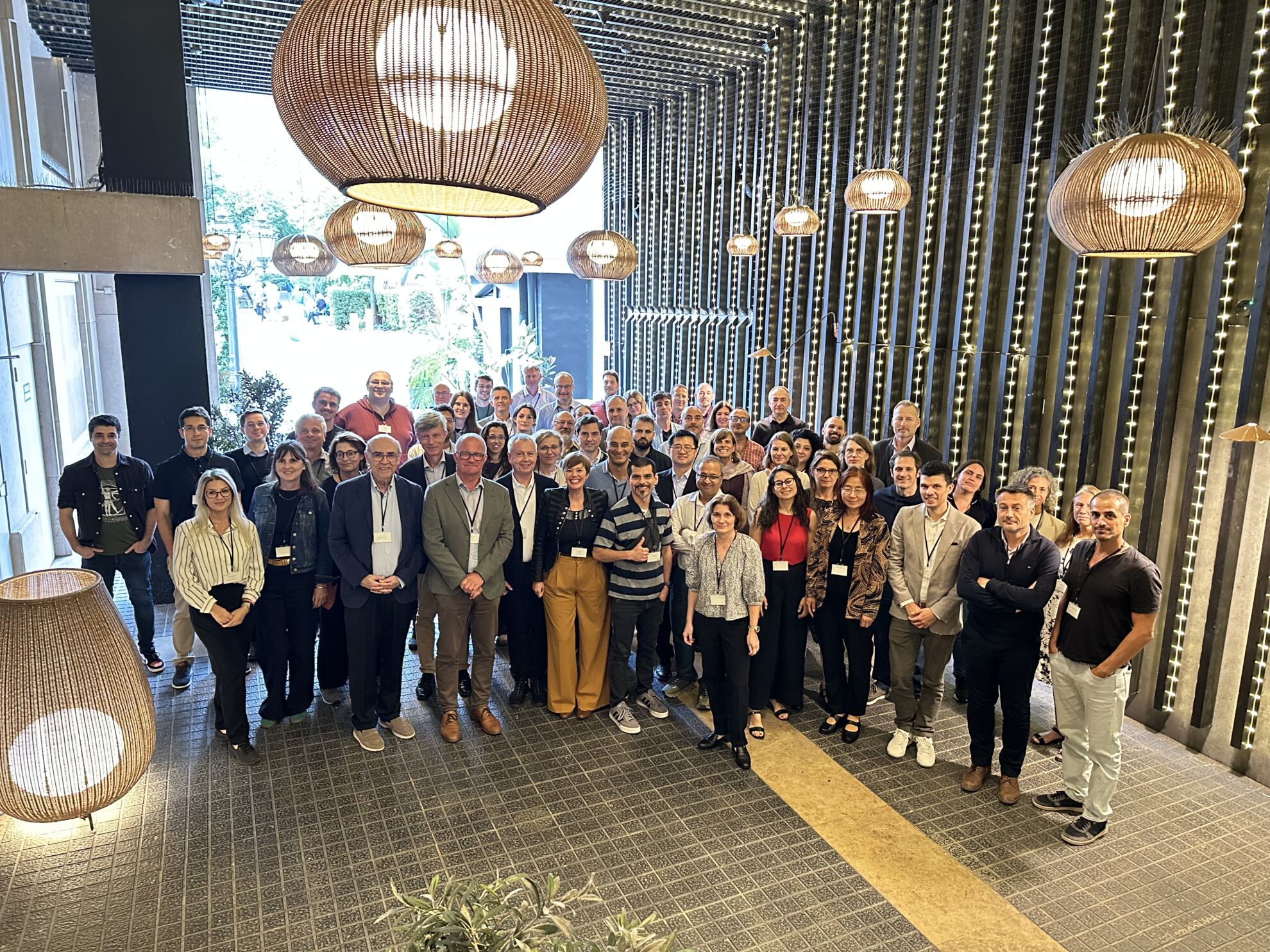
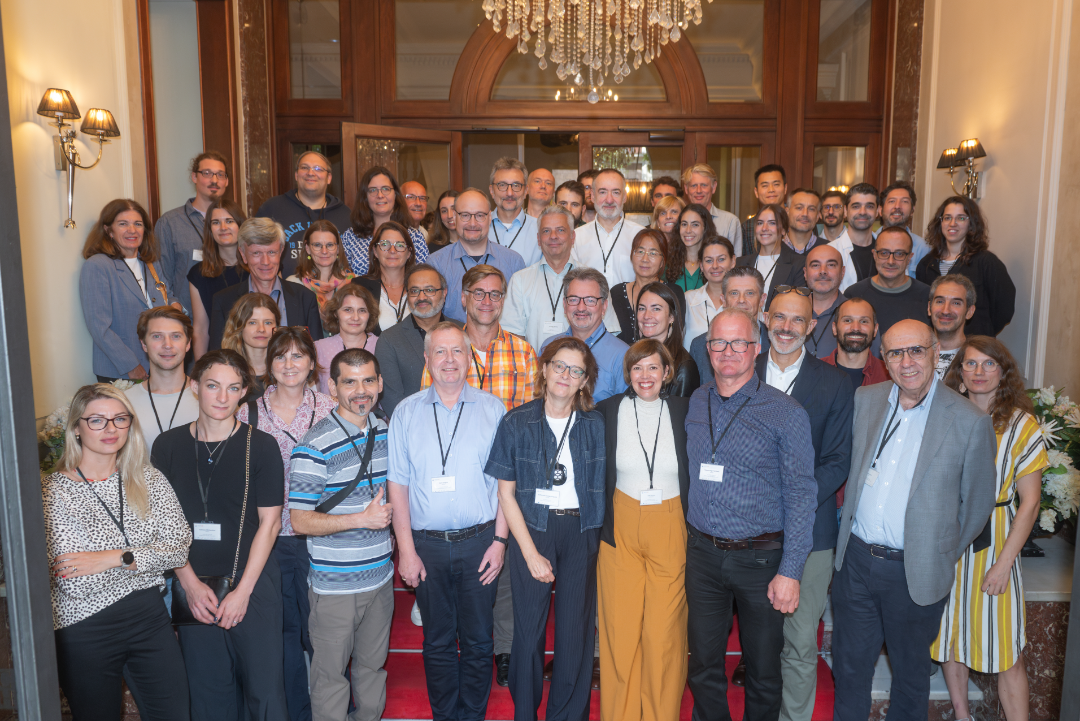
From 5–8 October 2026, VICT3R partners gathered in Barcelona for the project’s 2nd Datathon and 5th Consortium Meeting & General Assembly. Four busy days of hands-on work, scientific updates and discussions about the next steps towards making Virtual Control Groups (VCGs) a practical reality in toxicology research.
Barcelona didn’t make things particularly easy this time – with heavy rain, came cancelled flights and a few last-minute changes to the plans. But despite the travel disruptions, the consortium came together both in person and online for a packed week.
Getting hands-on at the 2nd VICT3R Datathon
The week kicked off on 5–6 October with the 2nd VICT3R Datathon, held at the Barcelona Biomedical Research Park (PRBB).
Rather than sitting through presentations, participants spent two days working in teams on practical challenges related to VICT3R’s data exploitation and technology development. They explored different approaches, developed and tested potential solutions, and worked together to see what could be achieved in a short space of time.
The results, lessons learned and ideas for further development were also presented to the wider consortium during the meeting later that week, helping connect the hands-on work with the project’s broader scientific and technical activities.
The 5th Consortium Meeting: where are we, and what’s next?
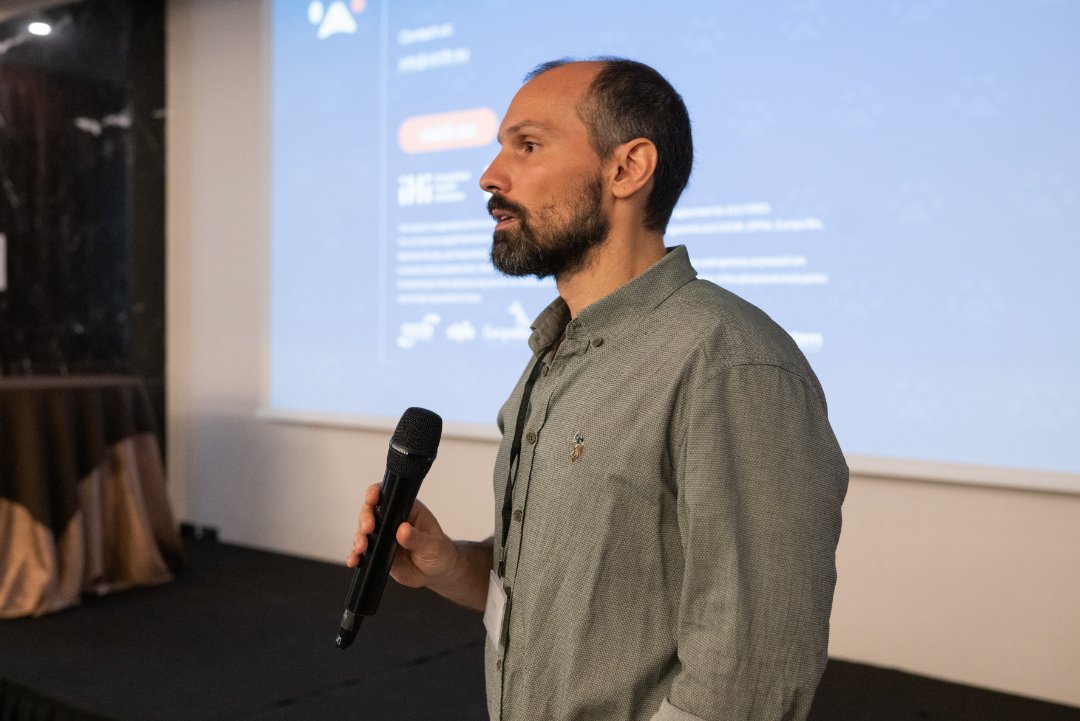
On 7-8 October, the wider VICT3R consortium gathered for the 5th Consortium Meeting & General Assembly.
With the project now more than two years into its journey, there was much to discuss. The meeting started with commenting the very positive feedback from the recent VICT3R Interim Review carried out by IHI, as well as updates on our ongoing regulatory interactions, an essential part of the project’s ambition to support the broader acceptance and implementation of VCGs.
There was plenty to catch up on over the two days, from historical control data contributions, curation and quality to the latest retrospective and prospective analyses. Partners also discussed the role of histopathology in VCG analyses and shared progress on the methods and tools being developed to generate VCGs, with a particular focus on making them practical and useful for future users.
A special visit from IHI
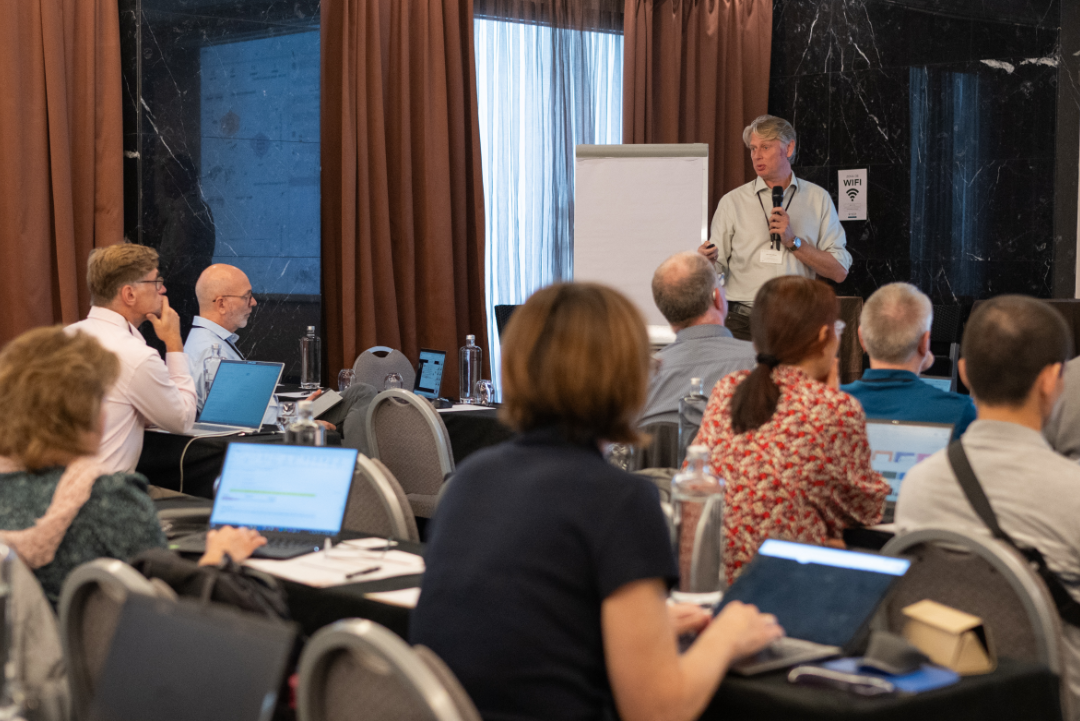
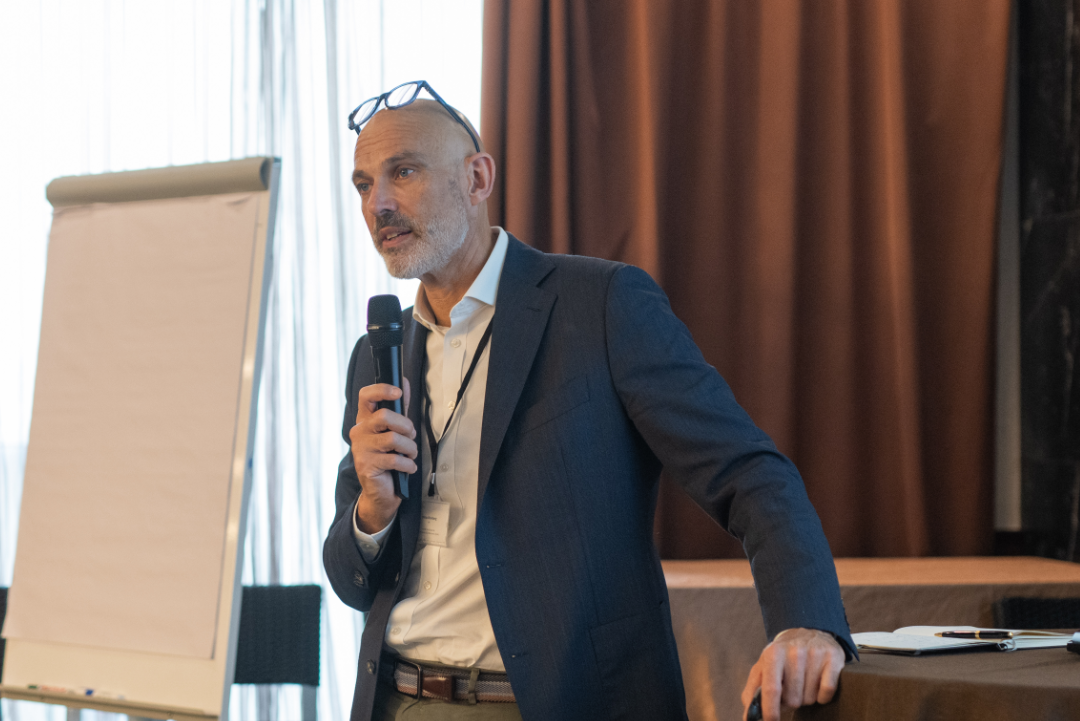
One of the highlights was welcoming Niklas Blomberg, Executive Director of the Innovative Health Initiative (IHI), who joined the meeting in person. His participation was a welcome opportunity to hear the IHI perspective and discuss the importance of public-private collaboration in tackling challenges such as reducing animal use in toxicology studies.
Looking beyond 2028
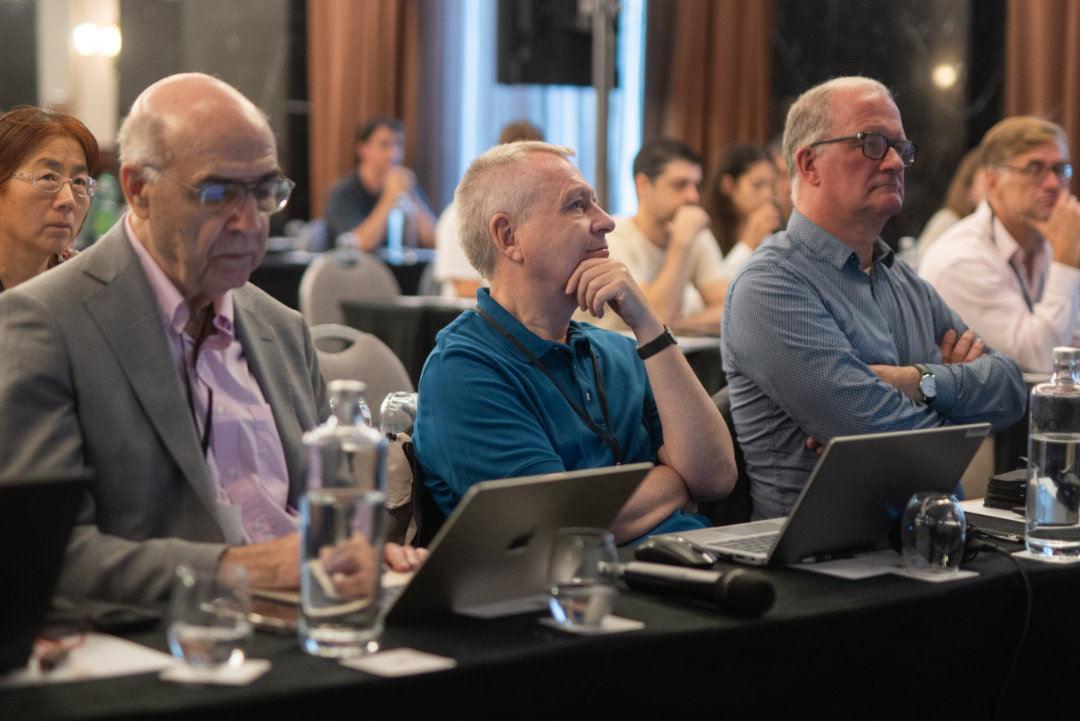
Another important discussion focused on the future of VICT3R beyond its current funding period, which ends in February 2028. Partners were introduced to a proposal for establishing a post-project VICT3R Community, designed to maintain and further develop the shared data infrastructure and the software tools, as well as the expertise and collaborations built through the project. The discussion was a first step towards gathering partners’ views on how such a Community could work, what it should offer and how to make it sustainable in the longer term.
Tackling the challenges together
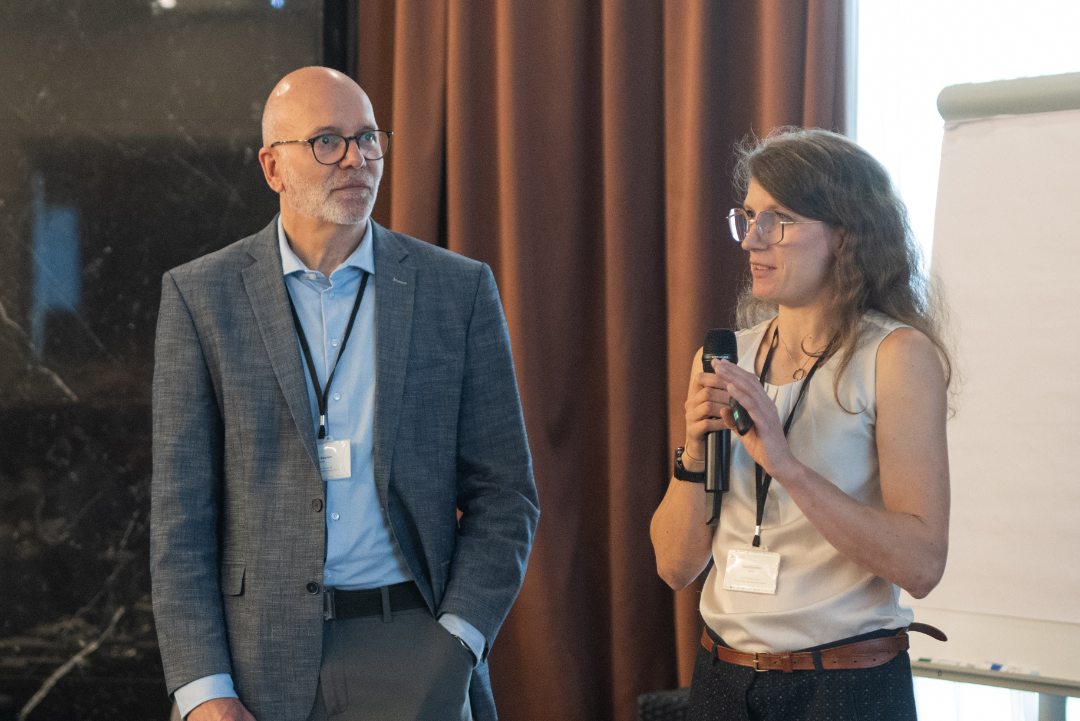
Beyond the project updates, time was set aside for open discussions about the challenges still ahead and possible ways to address them. Partners shared their views on current priorities and next steps, while members of the Scientific and Regulatory Advisory Board, representing regulatory and industry perspectives, provided feedback on the project’s progress and future direction.
These discussions were a reminder that developing the science and technology behind VCGs is only part of the challenge. Making them practical, reliable and suitable for broader use also requires close collaboration, continued validation and engagement with the people who will ultimately use and assess them.
Four days well spent!
After four full days of work, discussions and conversations between sessions, the Barcelona meetings came to a close.
A big thank you to everyone who joined us, whether in Barcelona or remotely, and particularly to those who managed to make it despite the weather and travel disruptions. Thanks also to all the speakers, session leads and participants who contributed throughout the week.
There’s still much work ahead, but these four days were another reminder of what makes VICT3R possible: many people from different organisations and backgrounds working together towards a common goal of reducing animal use in toxicology research.
And on a lighter note, the week even brought something unexpected: VICT3R now has its very own song! More on that soon…